

Why Brick Product Images Must Match Buildable Parts
A brick product image should set a realistic expectation of the item a buyer can receive.
On this page
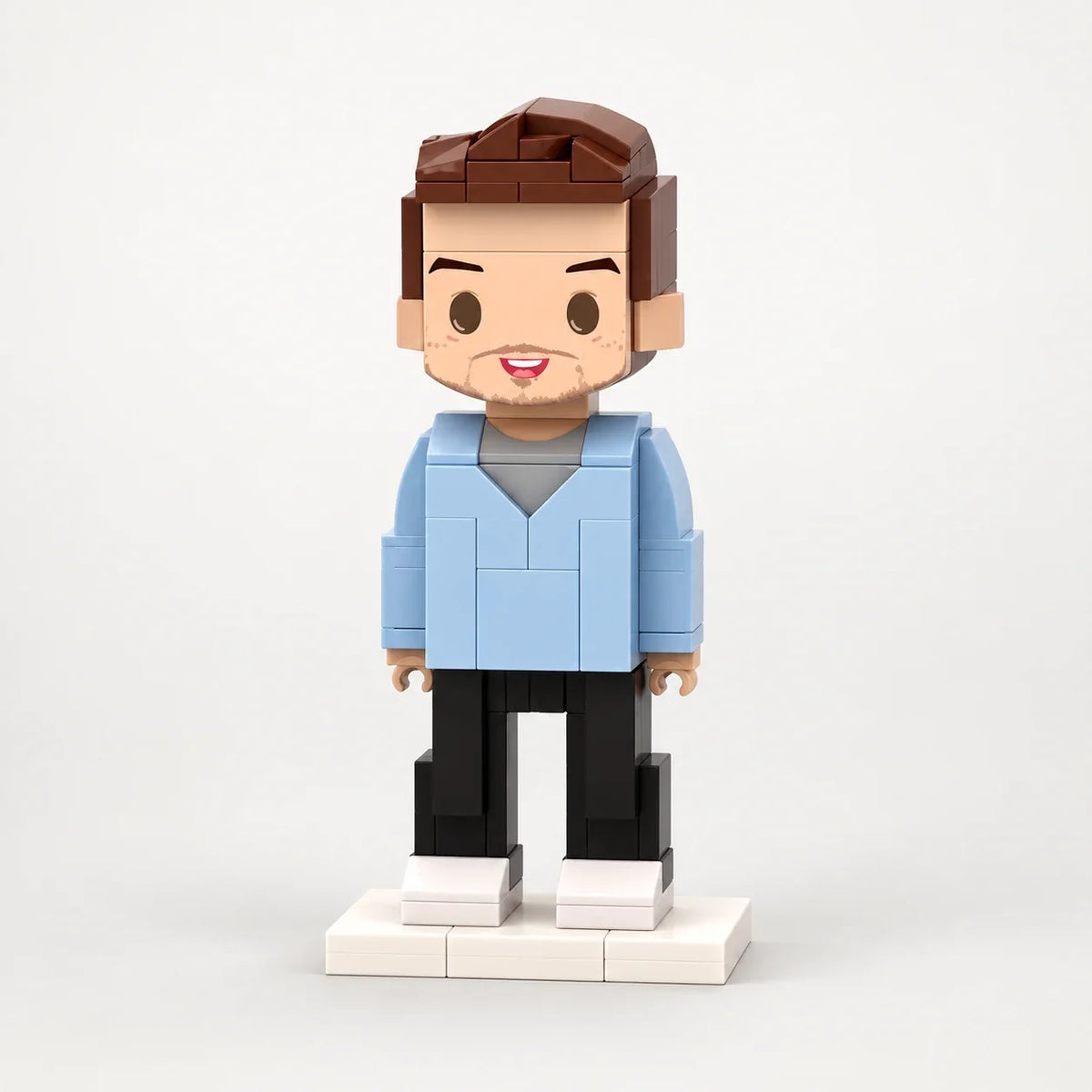
A brick product image should set a realistic expectation of the item a buyer can receive. If hair, clothing or accessories require pieces the actual build does not use, the image needs correction or a clear explanation of its illustrative role.
Separate inspiration from evidence
A concept can explore color and mood. A finished-product photograph can show a physical example. A build-verified model can communicate specific geometry. These are different kinds of evidence and should not be presented as interchangeable.
An AI label is useful, but it does not excuse a materially misleading design. The illustrated silhouette and level of detail should still reflect the intended product as closely as possible.
Inspect the likely problem areas
Hair is a common place for exaggerated detail: many fine locks or tiny smooth curves can look attractive without matching available brick components. Thin glasses, fingers and floating accessories deserve similar scrutiny.
Ask whether unusual shapes exist, connect properly and are included. Avoid publishing an exact piece count unless it has been established from the real design.
Review color and proportion too
Buildability is not only about geometry. Unavailable colors, oversized accessories and impossible relative dimensions can also create a false expectation.
Compare images across the listing, variant selector and checkout context. A simplified real product should not appear beside a much more elaborate hero illustration without an explanation of what is actually being ordered.

Use a clear approval process
For a custom design, confirm the achievable construction and the details included in the proof. Keep the agreed version with the order and identify any elements that are scene styling rather than supplied accessories.
VoxelPals' brick design guidance favors fewer, larger hair sections where that matches the product. The point is consistency: marketing imagery, design approval and the finished object should describe the same level of craftsmanship and detail.
Good imagery helps a buyer choose confidently. It should not make the production team explain away an impossible promise later.

